The Suffering Church and the Holy Souls
Fr. Alexander Pumphrey, MIC

One of the more impressionable memories I have from my novitiate was when I was tasked with picking up a group of seminarians from the airport. On the ride back to our religious house, two of the brothers were locked in a heated debate concerning whether or not it was appropriate to pray that Amelia from Fatima would be released from Purgatory. 


If you’re not familiar with poor Amelia, during Our Lady’s visits to the seers of Fatima, they asked about two local girls who had recently died. Our Lady told them that Maria, one of the two, was already in Heaven but that Amelia, the other one, would remain in Purgatory until the end of the world.


Importantly, Our Lady speaks of Purgatory as a reality. And Our Lady of Fatima speaking about Purgatory in the course of the apparitions makes Purgatory part of the message of Fatima as well. In fact, the message of prayer, penance and reparation for the conversion of sinners gives us the exact same tools that we can use to pray for the Holy Souls.


Traditionally, the Church has spoken of herself in three ways: the Church Militant, those of us still struggling and striving here on earth; the Church Suffering, the souls undergoing purification in Purgatory; and the Church Triumphant, the Saints already rejoicing in Heaven. But these aren’t three different Churches. We are one Church, one Body of Christ. Death doesn’t sever the bonds between us. Those who have died haven’t simply disappeared from the Christian family. We are still united to them, still able to help them and, wonderfully, still able to be helped by their prayers.

Now, some people may wonder: do I pray for conversions or do I pray for the Holy Souls? If I don’t pray for one, does that somehow mean that the other will go without? Not at all! The entire Church, indeed the entire human race, is connected. As we pray for the conversion of sinners, the souls in Purgatory pray as well. And as we pray for the souls in Purgatory, they intercede for us and for those still here on earth. No prayer is wasted. Perhaps we pray for someone in Purgatory who, it turns out, is already in Heaven! We don’t need to worry that somehow the prayer has gone unused. We can entrust it, and them, to the mercy of God.


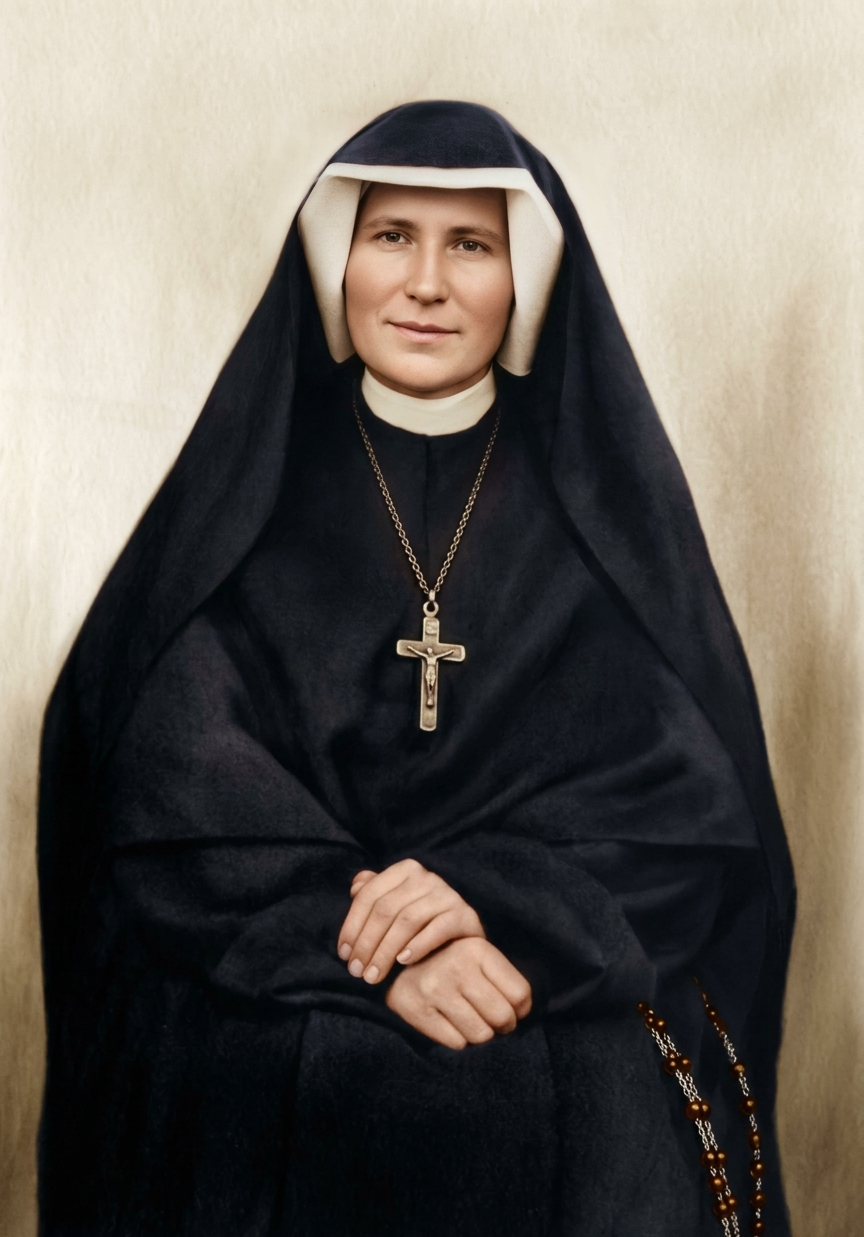
In her visit to Purgatory, St Faustina learned that the greatest suffering of the souls there was their burning desire for God, a desire that could not yet be satisfied. Our practice of prayer, reparation and penance should cultivate that same burning desire for God within us. We already experience purification on this earth in so many ways. Every act of virtue helps us grow in our dependence on and love of God. We can prepare ourselves for eternity and, in our preparations, continue to pray and suffer for those who were not as well prepared as they should have been.


This is because, as Our Lady reminded us at Fatima, our suffering is never actually our own. It is shared among the members of the Body of Christ. My suffering can be of benefit to a soul in Purgatory or a person in need of prayer. Your suffering can be of benefit to your neighbour or someone on the other side of the world who is experiencing their last moments on earth.


Rosaries, Chaplets of Divine Mercy, Adoration, many other prayers and, most especially, the Sacrifice of the Mass: these are all ways that we can assist our departed brothers and sisters. And they are grateful for the help! They pray for us and for those they love on earth. On the day when their purification is complete and they enter Heaven, they will continue to remember us, their fellow members of the Body of Christ, and join the countless Saints, whose names we may never know, in interceding for us and for the conversion of sinners.

And so, praying for members of the Church Suffering, the Poor Souls in Purgatory, is a vital part of the message of Fatima and our living out of that message. Through praying for the dead and the dying, we help souls on their journey towards Heaven, which is what Our Lady asked for and what Our Lord wants. And, if you’re like me, we also appreciate all the prayers that they send my way as well!


On a final note, I think that praying for the soul of poor Amelia is not only a fine and beautiful thing to do, but entirely in keeping with the message given at Fatima. Whether Amelia herself still needs those prayers is something we can safely leave in the hands of God. What we do know is that our prayers, sacrifices and suffrages for the faithful departed are never pointless. Through the Communion of Saints, charity reaches even beyond the grave.


Eternal rest grant unto them, O Lord, and fill their souls with splendour!

(cf. the Entrance Antiphon for Masses for the Dead)


Fr. Alexander Pumphrey, MIC

Priest of the Marian Fathers of the Immaculate Conception. Originally from Atlanta, Georgia, he entered the Catholic Church and later answered the Lord’s call to the priesthood, joining the Marian Fathers in 2018. He was ordained a priest on August 16, 2025, at the National Shrine of The Divine Mercy in Stockbridge, Massachusetts. Father Alex serves the Marian Fathers’ Divine Mercy mission in London and has a special love for the Rosary, Divine Mercy and St. Stanislaus Papczyล„ski, the Congregation’s Founder. Through his priestly ministry, he seeks to lead others closer to the merciful Heart of Jesus.