
When Jesus began His ministry, He called the 12 men to Himself, including those who followed Him – men, women, and children. He called them out from the world, gathered them to Himself, sanctified them, and prepared them for His Kingdom here on earth and in eternity. Slowly and gradually, this community grew in intimate communion with God. Hence, His Church becomes a chosen people, a royal priesthood, a holy nation, a people for God’s own possession (cf. 1 Peter 2:9). This Church is called holy because it is in full communion with the Most Holy Trinity. Through Christ’s Passion, Death, Resurrection and His Ascension into heaven, Christ opens the door of Paradise to all humanity, so that all may enjoy the glorious splendour of the Most High God forever. This Church, Christ’s Mystical Body, does not stop there but still stands until today; it remains one with its Head.
To understand the concept of the Suffering Church, we first need to understand what the Church is.
The word “Church” (Latin ecclesia, from the Greek ek-kalein, “to call out of”) means “an assembly” or “those who are called out and gathered together.” Early Christians adopted this term to describe their community because they understood themselves as the continuation of God’s people gathered by God’s call. The Church is therefore not primarily a building or institution, but a community of believers united in God. The idea of calling together God’s people from all the ends of the earth highlights the universal nature of the Church: people of every nation, culture, and background are invited to belong to God.
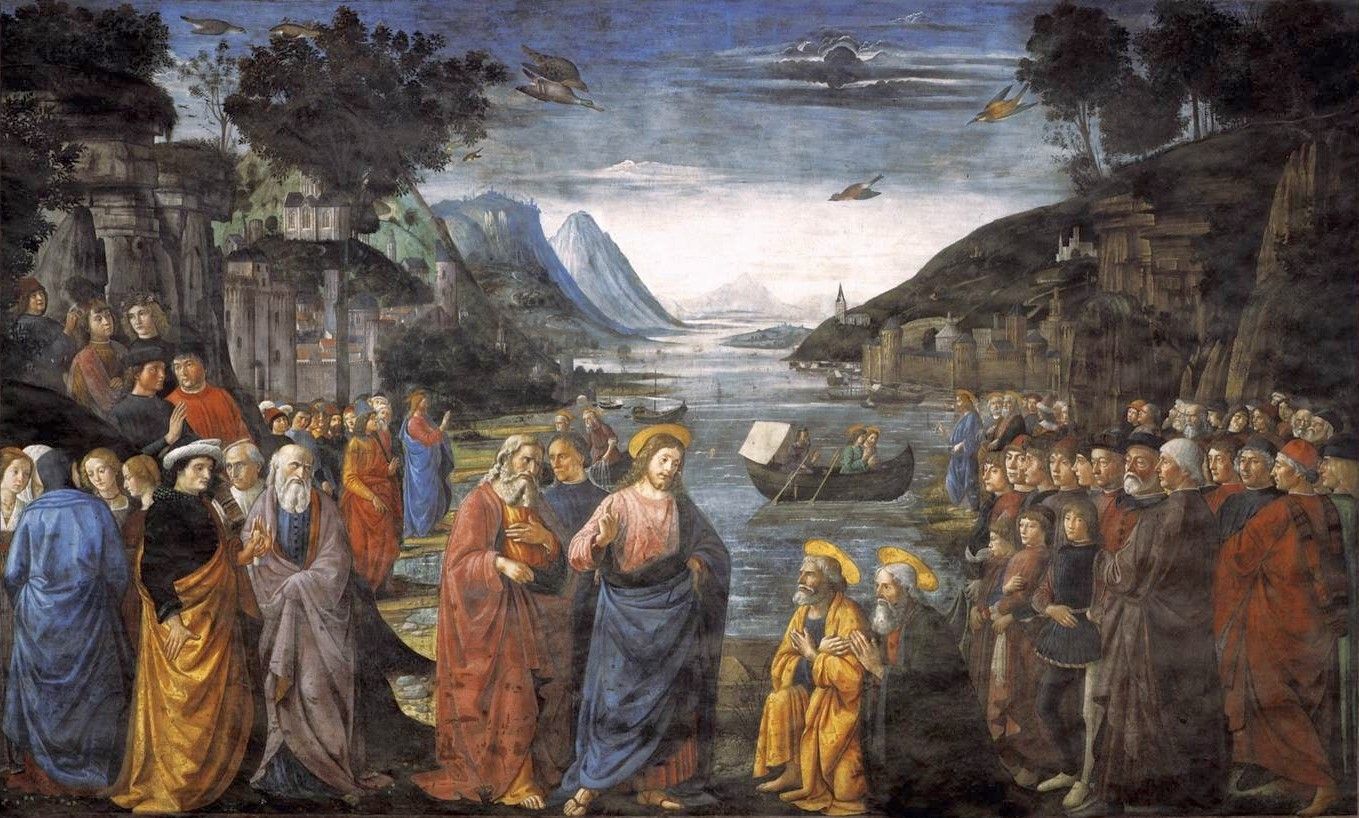
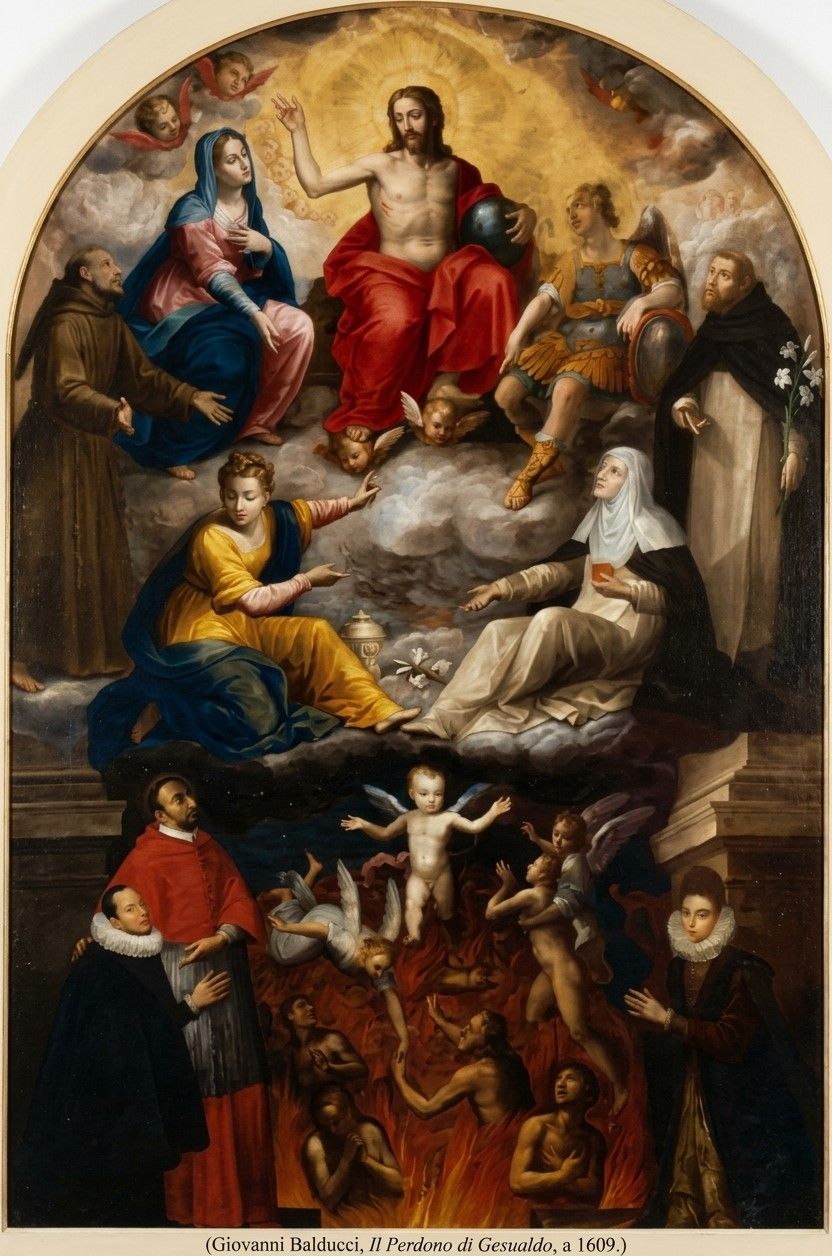
According to the teaching of the Church, there are three states of the Church: The Church Triumphant which is those members of the Body of Christ who have been made perfect and now enjoy a complete communion with God; The Church Militant which is those who have not yet conquered death and still undergo temptation and decay, and are not in complete communion with God and the Saints; The Suffering Church, also known as Purgatory which is those who have left earth but are not yet in the state of total communion with God. And it is on this Suffering Church that we turn our focus on this article.
The CCC states that “All who die in God’s grace and friendship, but still imperfectly purified, are indeed assured of their eternal salvation; but after death they undergo purification, so as to achieve the holiness necessary to enter the joy of heaven” (CCC 1030). Even though after death some of these holy souls have not yet seen the beatific vision because they have to go through purification, they remain one with Christ, the Head of the Church.
Traditionally, the Catholic Church dedicates each month to a specific devotion to foster spiritual growth through prayer and reflection. Through these monthly devotions, we are invited to enrich our spiritual journey and grow closer to God and His Church. It is fitting that November opens with All Saints' Day, honouring the Church Triumphant, followed by All Souls’ Day, which turns attention to the Church Suffering and calls the faithful to pray for those still undergoing purification. The Church lovingly remembers the faithful departed, the souls of the Church suffering who are being purified before entering the fullness of heaven and invites the faithful to assist them through prayer and sacrifice. It is a deeply fitting and spiritually enriched time to offer every prayer, sacrifice, and act of charity as aid for these beloved souls.

What kind of pain do these holy souls or these poor souls experience in Purgatory?
Purgatory is a place of love, not Divine revenge. Purgatory is a grace to be thankful for: it shows that God’s love continues beyond death, completing the soul’s purification, so that remaining imperfections at life’s end are not the final word. It is a place for those who die united with God yet still retain minor sins, unresolved temporal punishment, unhealthy attachments, or lingering imperfections that require purification before entering heaven. These holy souls experience a great pain of longing for the beatific vision. Although the souls in purgatory experience intense suffering through separation from the sight and presence of God and through other purifying pains, they patiently submit to God's will, rejoice in the certainty of salvation, and take comfort in knowing that their suffering is not everlasting.
Purgatory is the final purification of the elect, where souls, still united to the Church, experience a longing for God that prepares them for heaven. Pope Benedict XVI, in his encyclical Spe Salvi, describes Purgatory not primarily as a place but as “an encounter with Christ the Judge. The encounter with Him, as it burns us, transforms and frees us, allowing us to become truly ourselves. This transformative fire is Christ’s love itself, which “burns us” yet simultaneously heals us through “an undeniably painful transformation ‘as though fire.”
In their great pain, they also experience the motherly consolation of Our Blessed Virgin Mary. St. Alphonsus Liguori beautifully describes how Our Blessed Lady consoles these holy souls. He says, “The clients of this most merciful Mother are very fortunate. She helps them both in this life and in the next, consoling them and sponsoring their cause in Purgatory. “For the simple reason that the Souls in Purgatory need help so desperately, since they cannot help themselves, our Mother of Mercy does so much more to relieve them. “She exercises over these Poor Souls, who are the spouses of Christ, particular dominion, with power to relieve them and even deliver them from their pains. “See how important it is then to have devotion to this good Lady, because she never forgets her servants as long as they suffer in these flames. If she helps all the Poor Souls, she is especially indulgent and consoling to her own clients.”
What can we do to help them?
During our life, we can be purified through the Sacraments, prayer, and good deeds. However, death marks the end of the opportunity to choose whether to accept or reject God’s grace revealed through Christ. Therefore, as a communion with the Mystical Body of Christ, we can help them through our spiritual work of mercy by offering the living profound spiritual opportunities to assist those undergoing their final purification. The help we give the souls in Purgatory alleviates their sufferings and speeds the time of deliverance. This act of charity is not only done by the Militant Church but also by the Triumphant Church. The Saints and angels are in continuous prayer for these holy souls so that they too may enjoy the beatific vision. The principal means of aiding them are the Holy Sacrifice of the Mass, prayers, the heroic act of penance and charity, and indulgences.
The Catechism highlights the Mass as the supreme offering: “The Church has honoured the memory of the dead and offered prayers in suffrages for them, above all the Eucharistic sacrifice, so that, thus purified, they may attain the beatific vision of God.” (CCC 1032). The Mass makes present the sacrifice of Calvary; it allows the graces offered for a soul to draw directly upon Christ’s infinite merit, aiding their purification. After Mass, prayer is especially beneficial for them. Acts of satisfaction include all good works performed with sacrifice or difficulty, since these can help make reparation for the temporal punishment due to sin. Thus, the spiritual benefits of fasting, almsgiving, enduring hardships, and other good works may be offered on behalf of the suffering souls. The heroic act of charity consists in freely offering to the holy souls all the satisfactory merits gained through one's own good works, as well as those offered by others during one's lifetime or after death.
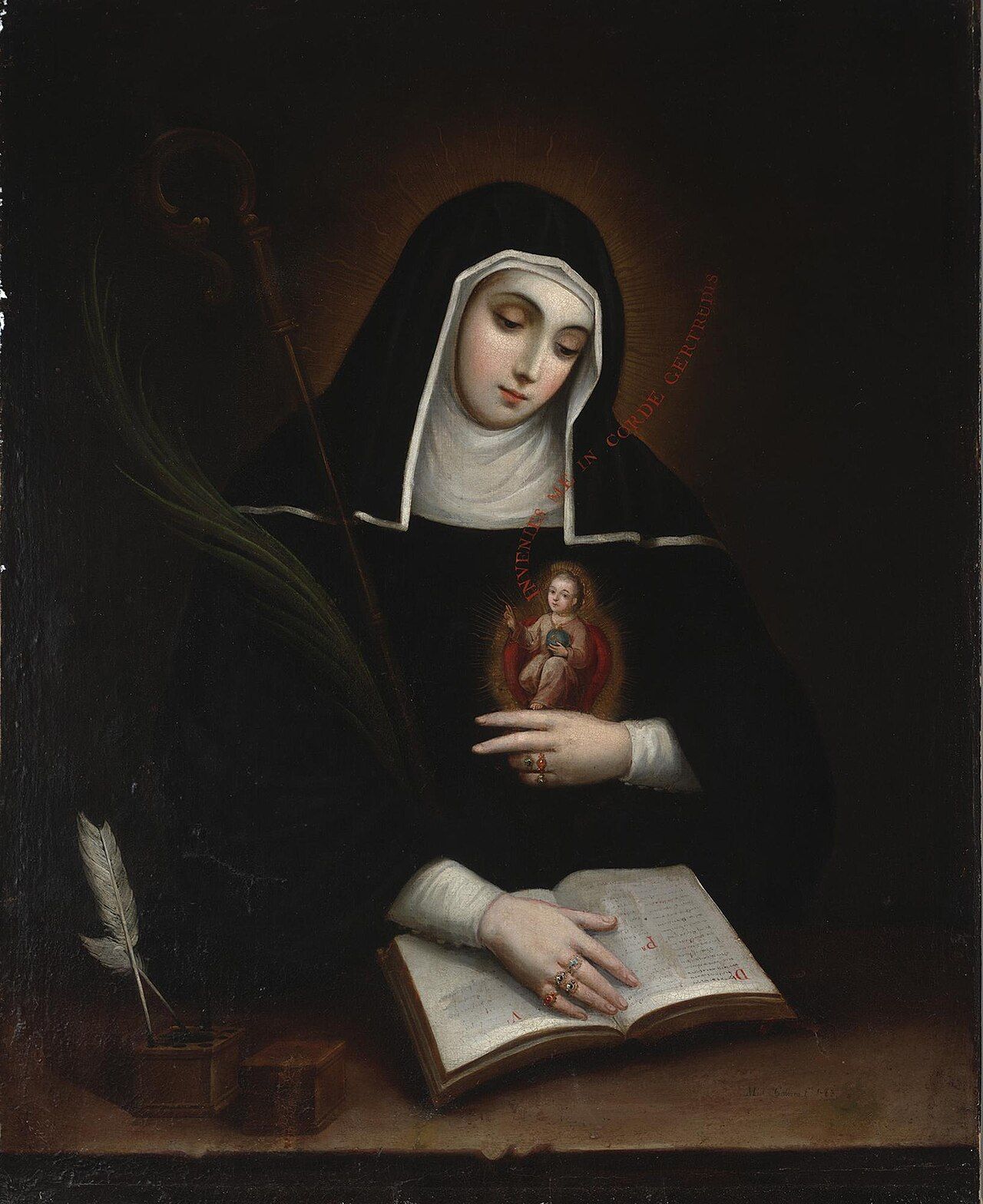
One of the Church’s greater saints who has a great devotion to the Holy Souls in Purgatory is St. Gertrude the Great – a 13th-century Benedictine nun, mystic, and Doctor of the Church – who received many private revelations from our Lord. In her writings, St. Gertrude often shares how Our Lord urged her to pray for the souls of the faithful departed. In a vision, she witnessed souls thanking her for the prayers that aided them on their path to heaven. These moments strengthened her belief that praying for the dead is among the most significant acts of charity we can offer.
Through her example, we have great confidence that God hears and accepts all the prayers, sacrifices, and our charity which we offer for the salvation of all these holy souls. Since we have the ability to help suffering souls, we should eagerly do for them what we would hope others would do for us in our time of need. This is an especially meaningful time to give whatever spiritual help we can to these beloved souls. And knowing that purgatory may one day be part of our own journey, let us be mindful of the holy souls and grow in our devotion to them.
Sr. Mary Goncalves F.D.C.
Daughters of Divine Charity (Filae Divinae Caritatis F.D.C)
(An international Congregation, active in the Diocese of East Anglia since missionaries from their Congregation arrived in England from Vienna, Austria, in 1914)
Sr. Mary joined the Order in 2014 and made her final vows in August 2023. The Charism of the Congregation is to make God’s Love visible through education, social work, and pastoral care, focusing on fulfilling the needs of the present day.