
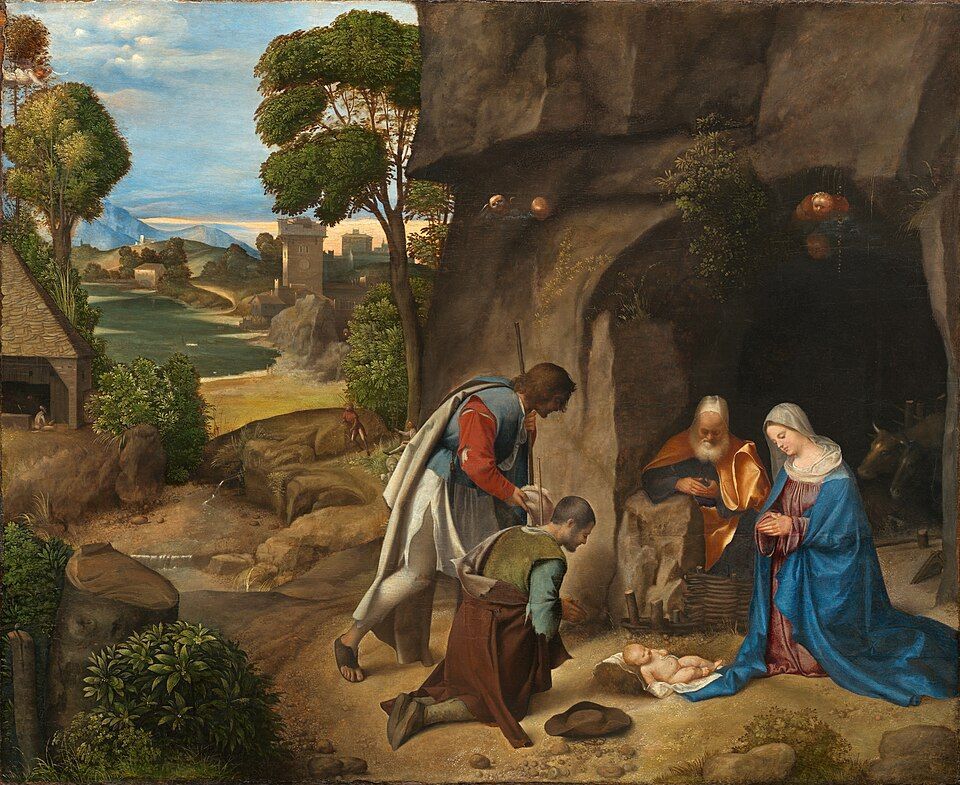
As we know, the term Advent is derived from the Latin Adventus, meaning “coming” or “arrival.” In ancient times, it referred to the arrival of a person of great significance, such as a ruler, a king, or an emperor. Similarly, Christians around the world wait in great expectation for the coming of Our Great King, Jesus Christ. Christians observe Advent as a season of preparation, commemorating Christ’s first coming into the world while eagerly awaiting His promised return. As we prepare to celebrate the mystery of His birth, we also turn our hearts toward the fulfilment of his promise to come again at the end of the age. The Catechism states, “When the Church celebrates the Liturgy of Advent each year, she makes present this ancient expectancy of the Messiah, for by sharing in the long preparation for the Saviour’s first coming, the faithful renew their ardent desire for His second coming.” (CCC 524)
In the Church’s tradition and teaching, Advent has a twofold purpose. First, it is a season of preparation for Christmas, when we remember Christ’s first coming into the world. Second, it is a season in which that remembrance directs our minds and hearts toward Christ’s promised return at the end of time.
The first part of Advent extends from the First Sunday of Advent until 16 December, and the Readings focus on preparing for Christ’s second coming and the final judgment. At first, the idea of the last judgment may seem unsettling, as if it were only about punishment. Yet the Church reminds us that it is, above all, a source of hope. The final judgment will reveal the triumph of God’s justice over every injustice and show that God’s love is stronger than sin and death.
From 17 December until Christmas Day, the focus shifts to preparing for the celebration of Christ’s birth in Bethlehem. Through the liturgy and the Scriptures, we are invited to reflect on the mystery of the Incarnation and to welcome the Saviour with renewed faith and joy.
Advent, therefore, is a season of prayer, hope, and preparation. It invites us to embrace an attitude of faithful prayer and vigilant hope, qualities that lie at the heart of Christian discipleship. It also calls us to turn away from excessive preoccupation with material things and to prepare our hearts to encounter the Lord, who comes to us in the celebration of Christmas and who will come again in glory.
The season of Advent is one of the beautiful seasons for us to stop and to reflect on the hope it brings, and to reflect on what God’s will is for us. What does He want us to do during this season of Advent? How does He want us to prepare ourselves for the coming of His Son Jesus? How can we ready ourselves to welcome the Lord who comes to us?
The Church urges us to open our hearts to God during this season, repent of sins, spend extra time in prayer, and do something extra to enrich our spiritual life. The Advent liturgy calls us to live with vigilance and self-discipline, guarding against being weighed down by sin and the distractions of worldly concerns. Through prayerful watchfulness, we become more open to recognising and welcoming the radiant mystery of Christ’s birth, so that we can be ready to welcome Him with joyful heart.
We have to always have the spirit of readiness to welcome our Lord with great expectation and joyful anticipation. However, it could be that we may grow weary or tired of waiting, perhaps because every year everything seems to return to pretty much the same routine. But let that feeling not discourage us. We need to always stay awake and be always in expectation for the coming of our Lord. In the Gospel, we hear Jesus say, “Make sure that your hearts do not get weighed down with dissipation and drunkenness in the cares of this world” (Lk. 21:34). Advent is about reflecting on our life; it is about preparing for the coming of Christ. If we are focusing all our energy and resources on preparing for external things only and not preparing our hearts for eternity, then we are not conforming our hearts to Christ. If we are not giving up our own will and working on our sin, then what good is it? Are we preparing for Christmas Day, or are we preparing for Christ to be born in our lives more?
In his letter to the Romans, St. Paul says, “Besides this, you know what time it is, how it is now the moment for you to wake from sleep. For salvation is nearer to us now than when we became believers; the night is far gone, the day is near. Let us then lay aside the works of darkness and put on the armour of light; let us live honourably as in the day, not in orgies and drunkenness, not in debauchery and licentiousness, not in quarrelling and jealousy. Instead, put on the Lord Jesus Christ, and make no provision for the flesh, to gratify its desires.”
St. Paul is very serious about this, and he is giving us a call to ‘wake up’ and to ‘put on Christ’; this is the way we prepare for Christmas. We prepare for the coming of Jesus with deeds of righteousness, putting on Christ which means we are going to allow Him to animate us, and we are going to prepare for His coming. We need to empty ourselves of worldly things and allow Christ to fill us with His graces.
We sing, “O come, O come, Emmanuel,” year after year. Yet do we truly long for and prepare for the coming of the Lord Jesus? Are our hearts ready to welcome Him into our lives? If He were to come today, and we were called to stand before His infinite majesty, would we be prepared? Would I be ready?
The season of Advent is one of the beautiful seasons in the Church’s Liturgy. The Church celebrates Him, Jesus Christ, because He is coming to us now, in the Eucharist. We commemorate Him because He came once long ago in Bethlehem; and we anticipate Him because His coming will eventually be made manifest in glory. When we reflect on Christmas past, we remember the actual historical events of the birth of Our Saviour. (cf. Bernard of Clairvaux)
As we reflect on Christmas in the present, we recognise that the Christ who came into the world long ago remains with us today, truly present in the Eucharist. Through Holy Communion, we are united with Him and with one another as members of His Body, the Church, becoming one body and one spirit in Christ. At the same time, when we look toward the Christmas still to come, which points to His final coming in glory, we may find ourselves filled with both hope and a certain reverent awe, even as we trust in His boundless love.
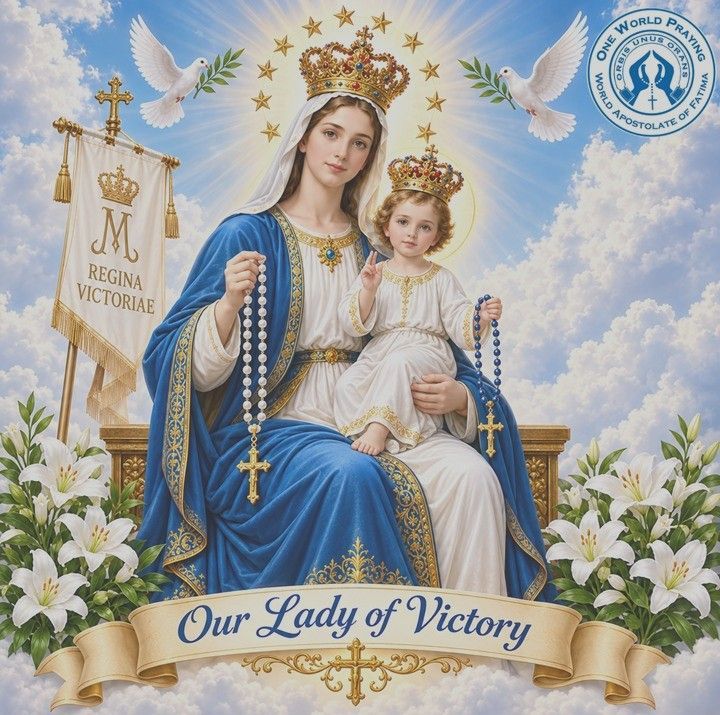
Think of Our Lady, how she prepared her Immaculate Heart and her sacred womb for the arrival of her God. She is the greatest example for us to imitate and to learn how to welcome our Lord and Saviour in our hearts. During this sacred season of waiting and preparation, we are invited to journey with Mary as we contemplate the mysteries of Christ’s life.
The Rosary occupies a cherished place in Advent spirituality, offering a prayerful way to grow closer to God and deepen our faith. Through its gentle rhythm of meditation, the Rosary draws us into the spirit of Advent, encouraging quiet reflection and attentive waiting. As we pray, we open our hearts to the hope and promise of Christ’s coming, allowing His grace and light to renew us from within. For this reason, the Joyful Mysteries are especially fitting during Advent, as they reflect on the events that prepared the way for the birth of our Saviour. As we await the celebration of Christmas, these mysteries help us enter more deeply into the spirit of hope, expectation, and joyful anticipation.
Advent is a season of hope and expectation that prepares us for the celebration of Christ’s birth. Mary, Our Lady of the Rosary, serves as a model of faith, trust, and hopeful waiting. Throughout this season, the Joyful Mysteries of the Rosary, which reflect on the Annunciation, Visitation, Nativity, Presentation, and Finding of Jesus in the Temple, help us enter into Mary’s experience as she awaited the coming of her Son. Through these mysteries, we are invited to grow in wonder, humility, and joyful anticipation, preparing our hearts to welcome Christ more fully.
Let us ask her to teach us how to prepare ourselves well for Jesus at this Christmas and for His second coming; so that God of hope may fill our hearts with all joy and peace by the power of the Holy Spirit as we trust in Him. (cf. Romans 15:13)
Written by Sr. Mary Goncalves, F.D.C.
Daughters of Divine Charity (Filae Divinae Caritatis F.D.C)
(An international Congregation, active in the Diocese of East Anglia since missionaries from their Congregation arrived in England from Vienna, Austria, in 1914)
Sr. Mary joined the Order in 2014 and made her final vows in August 2023. The Charism of the Congregation is to make God’s Love visible through education, social work, and pastoral care, focusing on fulfilling the needs of the present day.